German Shepherd Pet Insurance
Compare coverage for a German Shepherd with special attention to breed-related risk, waiting periods, hereditary-condition wording and exclusions.
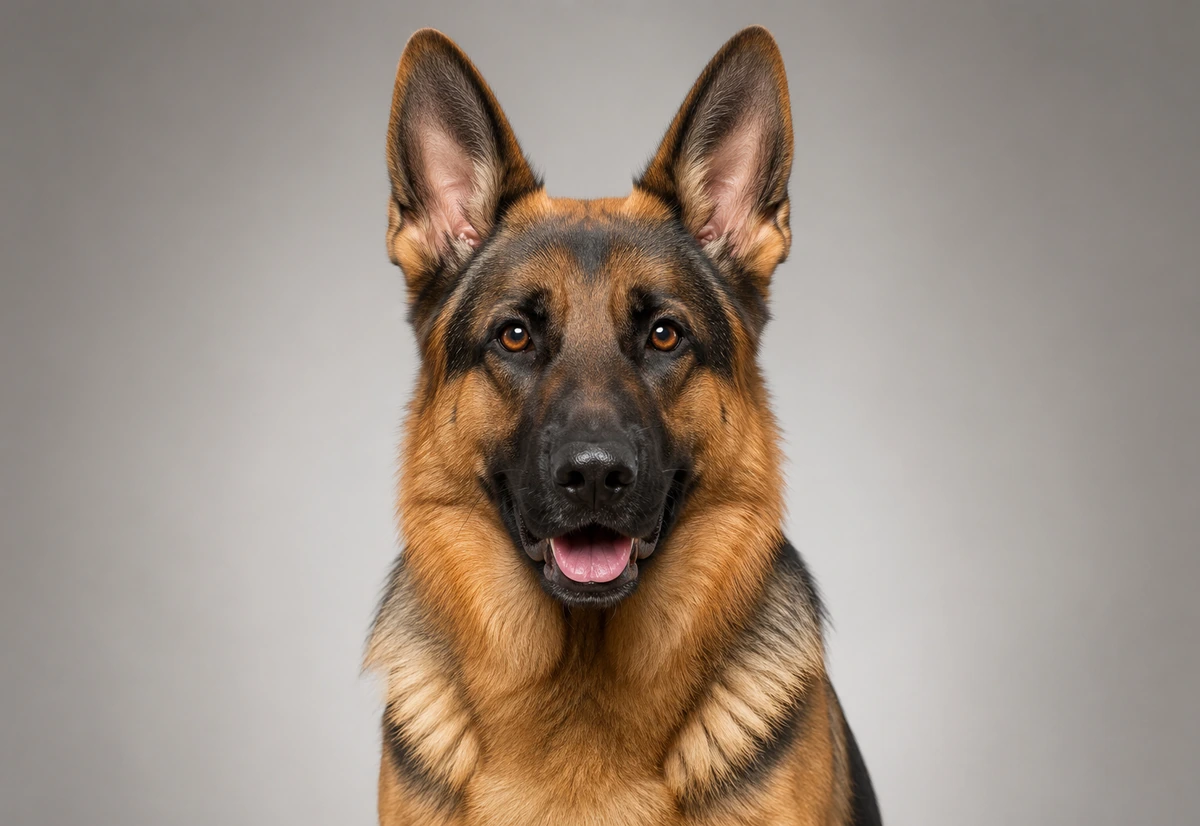
What Matters Most for German Shepherd Insurance
For this breed, the useful insurance question is not “Which company is cheapest?” It is whether the policy would actually respond to the kinds of claims this breed may face. Commonly discussed risks include hip and elbow dysplasia, degenerative myelopathy and bloat.
- hip and elbow dysplasia
- degenerative myelopathy and bloat
Those risks do not mean an individual dog will develop them. They do mean the wording around hereditary conditions, orthopedic waiting periods, respiratory problems, diagnostics, specialist care or surgery may matter more than a small premium difference.
Policy Comparison Checklist
| Compare | Question to ask |
|---|---|
| Hereditary / congenital cover | Are breed-associated conditions covered when not pre-existing? |
| Waiting periods | Are there longer waits for orthopedic or breed-related conditions? |
| Diagnostics | Are X-rays, ultrasound, MRI, specialist consultation and lab tests covered? |
| Surgery & hospitalization | Are surgery, anesthesia, hospitalization and aftercare included? |
| Annual cap | What is the maximum annual reimbursement? |
| Deductible | Is it annual, per condition or per claim? |
| Reimbursement | What percentage is paid after deductible? |
| Exam fees | Are consultation and emergency-exam fees reimbursed? |
When to Buy Coverage
Insurance is generally easiest to evaluate before the dog has symptoms or diagnoses. Once a problem appears in the medical record, later coverage may treat it as pre-existing. That is why a puppy owner and an owner shopping after a diagnosis are solving very different problems.
German Shepherd Insurance FAQs
Is pet insurance worth it for a German Shepherd?
It can be worth comparing because German Shepherds are associated with conditions such as hip and elbow dysplasia, degenerative myelopathy and bloat. The decision depends on the policy terms, emergency-fund capacity, deductible, reimbursement rate and exclusions.
What should German Shepherd owners look for in pet insurance?
Look closely at hereditary and congenital-condition coverage, waiting periods, annual limits, reimbursement percentage, deductible structure, diagnostic coverage and any breed-specific exclusions.
Does pet insurance cover hereditary problems in German Shepherds?
Some policies cover hereditary or congenital conditions if they are not pre-existing and the policy includes that category. Others restrict or exclude them, so the policy wording matters.
Will pre-existing conditions be covered for a German Shepherd?
Usually not. Definitions vary by insurer, so review how symptoms, prior diagnoses and look-back periods are treated before buying.
Should I insure a German Shepherd puppy early?
Buying before symptoms or diagnoses appear can reduce the chance that a future condition is classified as pre-existing, although waiting periods and exclusions still apply.
What can make German Shepherd insurance more expensive?
Pricing can vary with age, location, reimbursement level, deductible, coverage limit and the insurer's view of breed-related claim risk.
Does pet insurance cover emergency surgery for a German Shepherd?
It may, if the condition is covered, the waiting period has passed and the problem is not considered pre-existing or excluded. Review emergency, surgery, hospitalization and diagnostic terms.
How should I compare two German Shepherd insurance policies?
Compare the total policy, not the premium alone: deductible, reimbursement, annual cap, waiting periods, exclusions, hereditary-condition wording, exam fees and claims process all matter.