Dog Groomers
Choosing a groomer is partly about appearance and mostly about handling, safety and coat care. A skilled groomer should understand the dog's coat type, skin condition, age, mobility and tolerance for restraint. The cheapest haircut is not a bargain if the dog leaves with clipper irritation, untreated matting problems, extreme stress or an injury nobody can explain.
What to Compare Before Booking
Choosing a groomer is partly about appearance and mostly about handling, safety and coat care. A skilled groomer should understand the dog's coat type, skin condition, age, mobility and tolerance for restraint. The cheapest haircut is not a bargain if the dog leaves with clipper irritation, untreated matting problems, extreme stress or an injury nobody can explain.
| Area | Questions worth asking |
|---|---|
| Experience | How often do you handle dogs with this size, breed, age, behavior or medical requirement? |
| Staffing | Who is physically present, who handles the dog, and what training have staff received? |
| Safety | What happens if the dog is injured, frightened, ill or difficult to handle? |
| Pricing | What is included, what costs extra, and when can the estimate change? |
| Communication | How are incidents, delays, health concerns and follow-up handled? |
| Policies | What are the cancellation, vaccination, behavior and emergency rules? |
Match the Groomer to the Coat
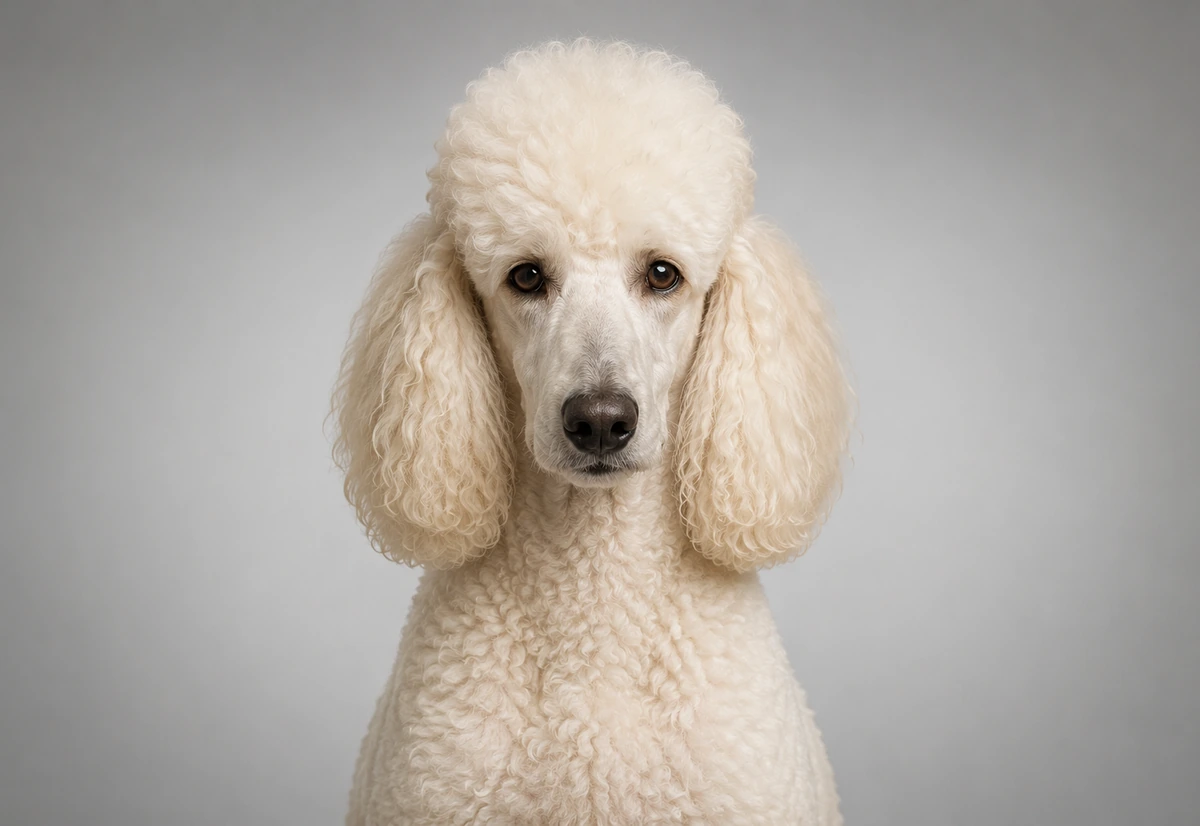
Poodles, doodles, terriers, double-coated breeds and short-coated dogs do not need the same tools or techniques. Ask how often the groomer works with your dog's coat and what maintenance schedule they recommend. For hand-stripped coats, heavy undercoat or show-style grooming, prior experience matters more than a generic claim to groom all breeds.
Matting Policies
Severe matting can pull on skin, hide sores and make brushing painful. Ask what the groomer does when a dog arrives heavily matted, whether additional charges apply, when clipping short is recommended and how consent is handled. A responsible groomer should prioritize skin and welfare over preserving a long coat at any cost.
Drying and Handling
Ask how dogs are dried, whether they are continuously supervised and how anxious or elderly dogs are restrained. Heat, respiratory disease and stress can matter, especially for brachycephalic breeds and seniors. Good shops should be able to explain their drying process without treating it like a trade secret.
What the Appointment Includes
Clarify bathing, haircut or trim, nail care, ear cleaning, sanitary trim, brushing, de-shedding, teeth brushing and specialty products. Some services are standard while others are add-ons. Also ask whether anal-gland expression is offered and under what circumstances, because routine expression is not necessary for every dog.
Skin, Ear and Medical Issues
Tell the groomer about allergies, hot spots, ear disease, lumps, arthritis, seizures, heart disease and medications. Groomers should not diagnose medical conditions, but they often notice changes while handling the dog. Ask how they document concerns and when they stop grooming and recommend veterinary care.
Pricing and Scheduling
Long, dense or matted coats take more time, so quotes often depend on condition as well as size. Ask about late pickup fees, de-matting fees, no-show policies and how often the dog should return. A consistent schedule can reduce both coat damage and appointment time.
How to Compare Two Providers Side by Side
Write down the same questions and ask both businesses. Comparing identical questions is far more useful than comparing websites, social-media polish or star ratings. Note who answered clearly, who provided written policies, who disclosed limitations and who tried to move directly to payment. A provider that openly says “we are not the right fit for this dog” may be more trustworthy than one that claims to handle every situation.
For recurring services, consider a trial appointment before committing to a package. Watch the dog's behavior before and after the service, but interpret it carefully. Tiredness is not automatically proof of quality, and excitement at the door is not proof that every part of the experience is appropriate. Use objective information such as injuries, appetite, stress signals, behavior changes, coat or skin condition, training progress and communication quality.
Dog Groomers FAQs
How often should a dog be professionally groomed?
It depends on coat type, haircut length, shedding, skin health and home maintenance. Some coats need professional attention every few weeks, while many short-coated dogs need only periodic bathing and nail care.
How much does dog grooming cost?
Prices vary by breed size, coat, condition, service package, location and time required. Matting, special handling and de-shedding commonly increase the bill.
Should I shave a double-coated dog?
Usually not for routine shedding or heat management. Double coats have a specific structure, and clipping can alter regrowth. Medical or severe matting situations are different and should be discussed with the groomer or veterinarian.
Is de-matting painful for dogs?
It can be. Tight mats pull on skin, and prolonged brushing can cause pain and irritation. In severe cases, clipping the coat short may be the more humane option.
Can a groomer handle an anxious dog?
Many can, but ask about their experience, appointment timing, handling methods and when they stop rather than force a procedure. Some dogs benefit from veterinary behavior support or prescribed medication.
Should a groomer clean my dog's ears?
Basic external cleaning may be included, but painful, infected or chronically diseased ears need veterinary assessment. Deep ear treatment is not a grooming service.
Are nail grinders better than clippers?
Neither is universally better. Some dogs tolerate grinders well, while others dislike the sound or vibration. The goal is safe nail shortening without cutting the quick or causing excessive stress.
Can a groomer express anal glands?
Some do, but routine expression is not necessary for every dog and repeated external expression can irritate some dogs. Recurrent scooting, pain or infection needs veterinary evaluation.
What vaccinations do groomers require?
Policies vary. Many businesses require proof of rabies vaccination and may have additional requirements. Confirm before booking.
What should I tell the groomer about my dog?
Share bite history, handling sensitivities, medical conditions, medications, seizures, mobility problems, skin disease, ear disease and prior grooming reactions.
How can I reduce grooming stress?
Use gradual handling practice at home, maintain the coat between visits, avoid waiting until matting becomes severe, and schedule appointments before the dog is exhausted or highly aroused.
What are grooming red flags?
Unexplained injuries, refusal to discuss handling, unsafe drying practices, poor sanitation, repeated surprise charges, missing incident communication and ignoring known medical limitations are significant concerns.
Before You Make the Final Decision
Keep a short written record of the questions you asked, the answers you received and any estimate or policy supplied by the provider. This makes later comparison easier and reduces misunderstandings about what was included. For recurring services, review the arrangement again after the first few visits because staff, pricing, the dog's health and the dog's behavior can change over time.
Good decisions usually come from specific evidence rather than reputation alone. Verify what matters for your dog, keep emergency contacts current, disclose medical and behavior information accurately, and avoid assuming that a provider who is popular is automatically the best match for every animal.