Best Dog Food for Bernese Mountain Dogs
Compare food for a Bernese Mountain Dog by large-breed growth, body-condition control, joint health and moderate calorie density.
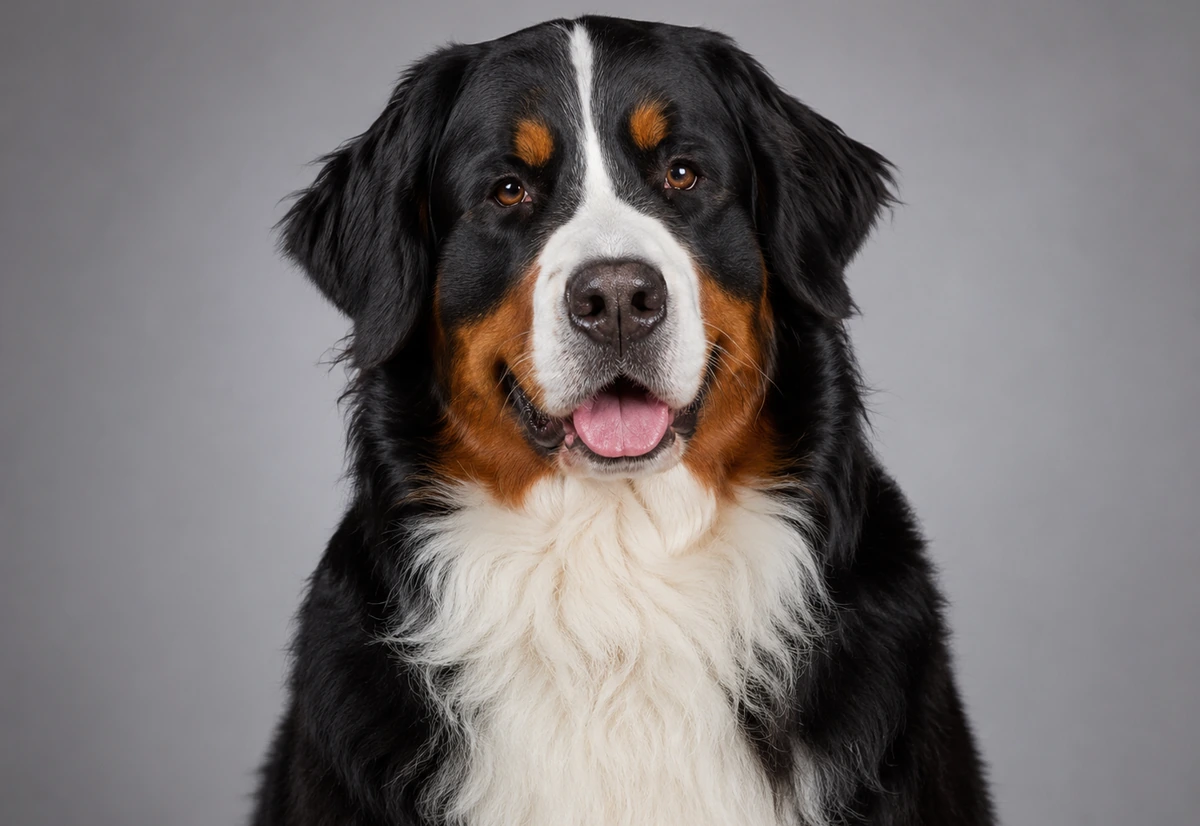
What Matters Most for a Bernese Mountain Dog
A Bernese Mountain Dog does not need a diet simply because a package uses the breed name. The buying decision should start with the dog's age, body condition, activity and health. For this breed, the practical issues to watch are large-breed growth, body-condition control, joint health and moderate calorie density. Those factors affect calorie density, portion size, texture, feeding frequency and whether a standard maintenance food is sufficient.
Use the dog's current condition as feedback. A food that looks impressive on paper is a poor choice if it produces chronic loose stool, unwanted weight gain or poor appetite. Conversely, an expensive ingredient list does not improve a dog that is being overfed. Body-condition scoring and regular weight checks are more useful than judging food by marketing language.
How to Compare Two Foods
| Question | Why it matters |
|---|---|
| Is it appropriate for the dog's life stage? | Puppy, adult and reproductive needs differ. |
| What is the calorie density? | This determines realistic portion size and weight-management flexibility. |
| How much does the dog actually need per day? | Cost per bag means little without daily feeding amount. |
| How well does the dog tolerate it? | Stool, vomiting, gas, itching and appetite matter more than ingredient fashion. |
| Does the manufacturer provide clear nutrition and quality information? | Transparency matters when comparing otherwise similar products. |
Weight, Portions and Treats
Portion control matters particularly when the breed is prone to weight gain or orthopedic stress. Measure food rather than free-pouring it. Count training treats, dental chews, table food and food-filled toys as calories. If weight is creeping upward, reduce total calories rather than assuming the dog needs a completely different ingredient list.
For growing puppies, avoid deliberately pushing rapid growth. For adults, maintain a visible waist and appropriate rib cover. For seniors, calorie needs may fall even if appetite remains strong. A veterinarian can help distinguish normal age-related changes from disease when weight shifts unexpectedly.
When Food Is a Medical Decision
Chronic vomiting, diarrhea, pancreatitis, kidney disease, urinary disease, heart disease, obesity and suspected food allergy can all change the nutrition plan. In those situations, “best dog food” becomes a medical question rather than a shopping question. Therapeutic diets may use nutrient levels or ingredients that are inappropriate to copy casually with an over-the-counter food.
Bernese Mountain Dog Food FAQs
What is the best dog food for a Bernese Mountain Dog?
The best choice is a nutritionally complete food that fits the individual dog's life stage, body condition, activity and tolerance. For Bernese Mountain Dogs, pay particular attention to large-breed growth, body-condition control, joint health and moderate calorie density.
Should a Bernese Mountain Dog eat breed-specific food?
Not necessarily. Breed-specific formulas can be convenient, but appropriate nutrition can come from any complete diet that fits the dog's size, age and health needs.
How much should a Bernese Mountain Dog eat?
Start with the feeding guide and adjust to maintain ideal body condition. Activity, neuter status, age and calorie density can change the amount substantially.
What ingredients should I avoid for a Bernese Mountain Dog?
There is no universal blacklist for the breed. Avoid ingredients only when there is a documented intolerance, allergy or medical reason rather than relying on internet ingredient mythology.
Is grain-free food good for a Bernese Mountain Dog?
Grain-free is not automatically better. Choose based on nutritional adequacy, medical need and veterinary guidance rather than the absence of grain.
Should a Bernese Mountain Dog eat wet or dry food?
Both can work. Compare calorie density, dental practicality, hydration, cost, storage and the dog's preferences.
How do I change a Bernese Mountain Dog's food safely?
A gradual transition over several days is often easier on digestion. Dogs with gastrointestinal disease may need a slower or veterinarian-directed change.
Can diet help a Bernese Mountain Dog lose weight?
Yes, when calorie intake is controlled and the diet supports satiety while maintaining adequate nutrition. Monitor body condition and weight trend.
Do Bernese Mountain Dogs need joint supplements in food?
Some diets include joint-support ingredients, but their usefulness depends on the dog and formulation. Body-weight control remains one of the most important joint-protection measures.
What should I feed a Bernese Mountain Dog puppy?
Use a complete growth diet appropriate to expected adult size. Large and giant breeds need particular attention to controlled growth and mineral balance.
When should I use a prescription diet for a Bernese Mountain Dog?
Prescription therapeutic diets are used for specific medical conditions and should be selected with veterinary guidance.
How do I know whether a food suits my Bernese Mountain Dog?
Track body condition, stool quality, appetite, coat and skin, energy, vomiting and weight over time. Persistent problems deserve veterinary assessment rather than endless food switching.
How to Judge the Choice After 30 Days
A buying decision is not finished when the bag is opened. Track the dog's weight, body condition, stool quality, appetite, vomiting, gas, skin, ears and energy over several weeks. Change one major variable at a time when possible. Otherwise it becomes impossible to tell whether a new food improved the problem or merely coincided with a good week.
Use actual calorie intake rather than cup volume when comparing foods. Two foods can look similar in the bowl while delivering very different calories. Treats, chews and table food should be included in the daily total. If the dog is gaining weight, the useful response is usually a measured calorie adjustment, not a more fashionable ingredient list.
What to record
- Body weight and body-condition trend
- Daily portion and treats
- Stool frequency and consistency
- Vomiting, gas or appetite changes
- Skin, coat and ear changes
- Any medication or supplement changes made at the same time
If symptoms are persistent, severe or associated with weight loss, lethargy, pain or dehydration, stop treating the issue as a shopping problem and involve a veterinarian.
Cost Per Day Matters More Than Cost Per Bag
When comparing two diets, divide the package price by the number of days it realistically feeds your dog. A larger or more calorie-dense food can cost more per bag while costing less per day. Also include required toppers, supplements or frequent replacements caused by poor tolerance. The cheapest shelf price can become the expensive option if the dog needs substantially more food or if the diet repeatedly causes waste.
For households with more than one dog, resist the convenience of forcing every dog onto the same food when their life stages or medical needs differ. Convenience is useful, but it should not override appropriate nutrition.